In brief
France is on the brink of a nationwide student protest after a week of demonstrations that saw more than 500 schools closed, 190 students injured and over 5,000 arrests, most of them minors. One teenager lost a hand when a tear‑gas grenade exploded nearby and another was badly hurt by a snapping tear‑gas projectile. The government has promised “visible changes” but criticises the protests as armed and wants new anti‑riot laws. Left‑wing politicians defend the students and accuse the police of excessive force, while hard‑right figures call the movement “organized by professional agitators.”
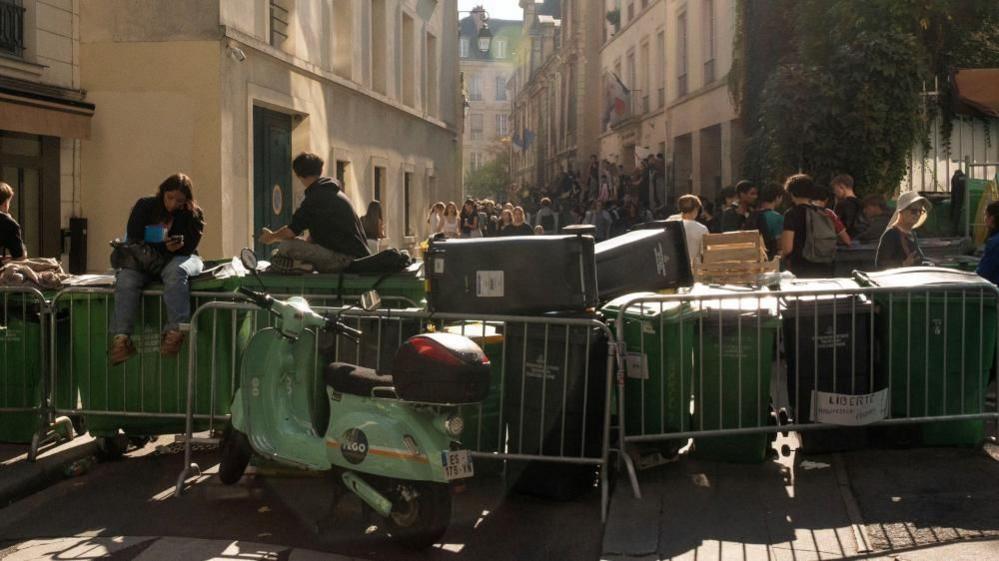
France is preparing for a nationwide day of school protests after organisers called for a full‑scale action and students blockaded schools, citing inadequate investment in education.
A week of demonstrations saw more than 500 schools partially or fully closed, at least 190 students injured, and over 5,000 people arrested—87 % of whom were minors.
One teenager lost a hand when a tear‑gas grenade exploded nearby and another was badly hurt by a snapping tear‑gas projectile. The youngest who has been highlighted, a 15‑year‑old boy, was transferred to hospital; his injury is not life‑threatening, officials said.
The Prime Minister said the government offered “visible changes” but the Union Syndicale Lycéenne (USL) claims the offers are “nothing concrete.” The USL urged people to join the movement on Tuesday, protesting what it describes as “unprecedented repression.”
Teachers’ union SNES‑FSU also urged its members to join the protest, while the radical‑left La France Insoumise called it the strongest student movement since 1968.
The protests began in September in Paris and shifted nationwide, with students demanding bigger classrooms, better infrastructure and more teachers. Police describe the response as “extremely proportionate” but have been criticised for the use of tear gas.
Despite the next presidential election months away, the protests have become highly politicised. Marine Le Pen alleges the movement is organised by professional agitators, while the LFI leader condemns police misuse of power and calls for a new anti‑riot law.