
In brief
During a September flight from Dubai to Tel Aviv, co‑pilot Hamam al‑Hammami struck the captain with a crash axe, forcing passengers to seize control of the aircraft. The plane was diverted to Saudi Arabia for an emergency landing, after which the co‑pilot was arrested. Australian authorities announced a joint investigation with security agencies to examine the man’s background, noting he had studied in Australia between 2015 and 2017 on a student visa that was cancelled in 2019. Counter‑terrorism officials will assess possible radicalisation while the UAE prosecutor works to clarify motives. The incident underscores the need for tighter vetting and monitoring of aviation personnel amid volatile geopolitical tensions.
On 30 September, a Flydubai aircraft bound for Tel Aviv was suddenly rocked when co‑pilot Hamam al‑Hammami struck the captain with a crash axe.
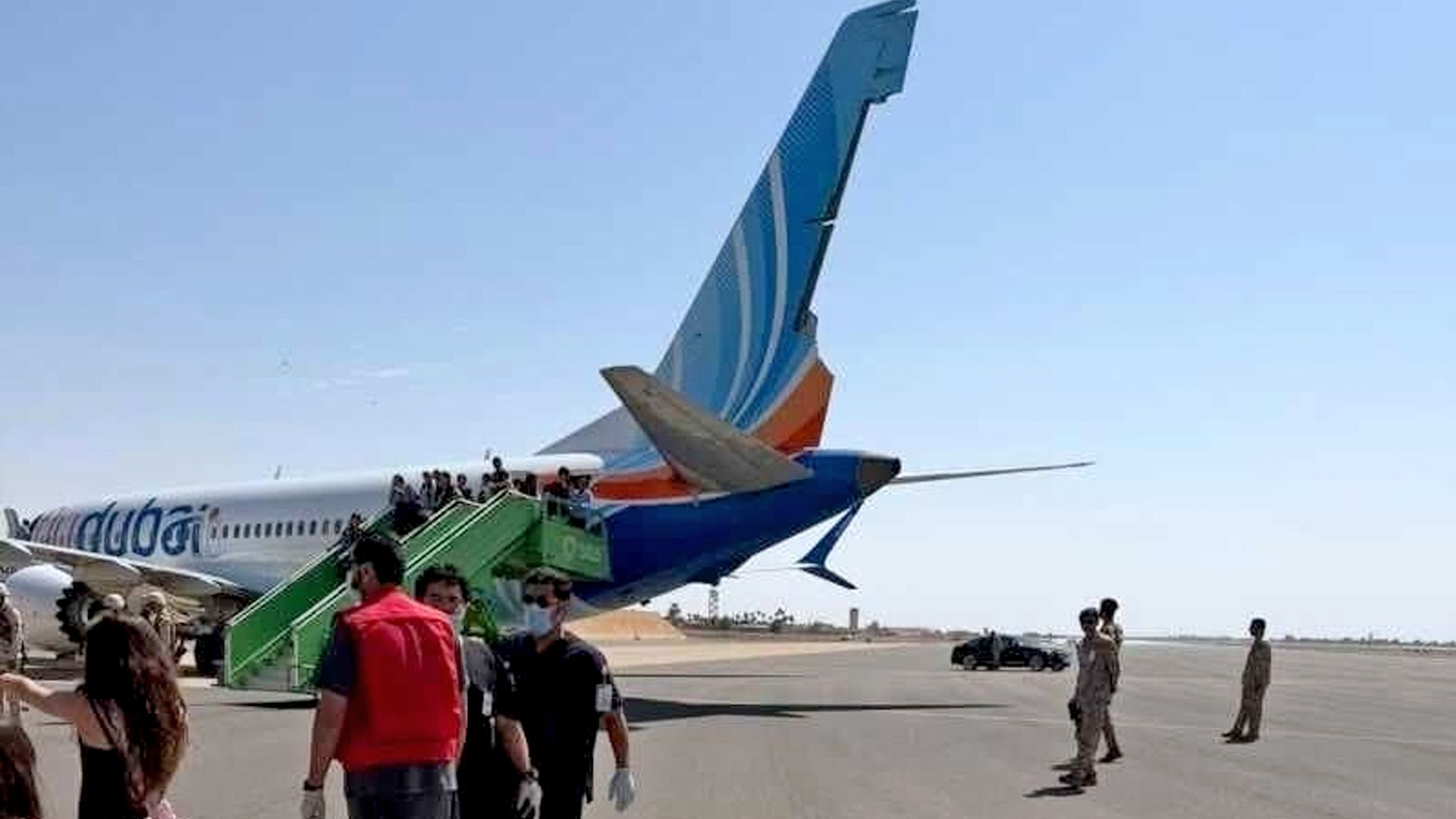
Passengers rushed into the cockpit, overpowered the co‑pilot, and forced the crew to turn the plane toward Saudi Arabia, where the aircraft made an emergency landing at Tabuk Airport. In Saudi, the co‑pilot was arrested and is now being questioned by authorities.
Capt. Smit Machchhar, the pilot flying the aircraft, later revealed he had been lying on the floor, physically injured, while a hijack had unfolded and that he had to act quickly to open a door and re‑take command.
Australian Federal Police announced a joint investigation with state police and the Australian Security Intelligence Organisation to detail the co‑pilot’s links to Australia. Sources say al‑Hammami held a student visa from 2015 to 2017 to study in Australia and that the visa was cancelled in 2019 when he was no longer enrolled.
Counter‑terrorism officials in Australia will explore the possibility of radicalisation during his time in the country. The UAE prosecutor general confirmed the incident was a “terrorist act,” and said investigations were underway to establish motive and any connections.
Al‑Hammami also worked for Oman Air, where he was removed from flight training for concerns about extremist views. He later took up a non‑pilot role at the airline and began a distance‑learning program at Buckinghamshire New University in 2020, graduating with an aviation‑management degree in 2023 without any further pilot training.
While the flight crew and passengers survived, the incident has rekindled global focus on the importance of rigorous background checks and de‑radicalisation programs for aviation professionals.

