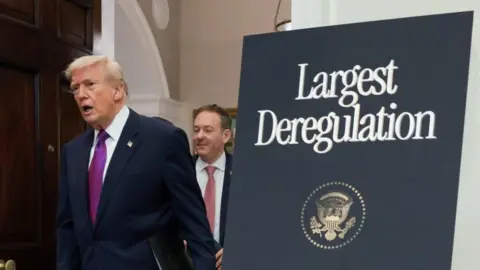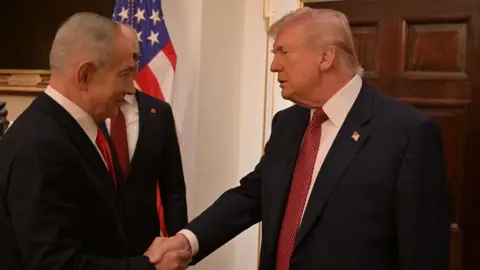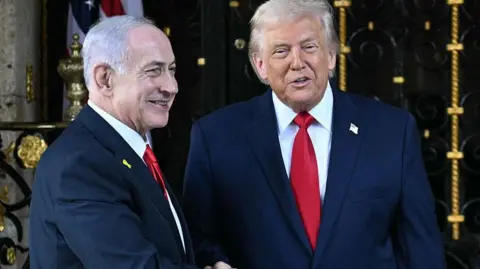
At a meeting of his cabinet at the White House two weeks ago, US President Donald Trump looked around the long room filled with his top advisers, administration officials and aides, and made a prediction.
The next Republican presidential candidate, he said, is probably sitting at this table. It could be a couple of people sitting at this table, he added, hinting at possible electoral clashes to come.
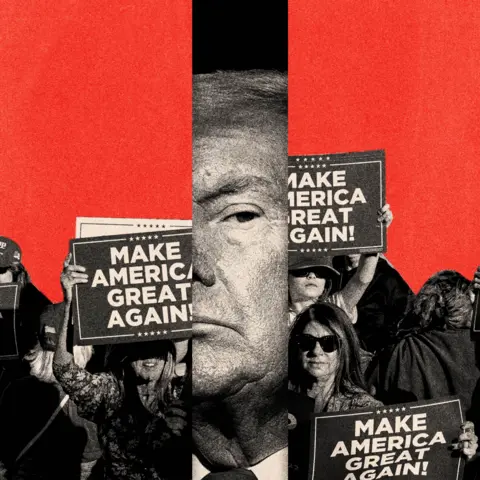
Despite a constitutional amendment limiting him to two four-year terms, his supporters chanted four more years at a rally last Tuesday night in Pennsylvania. Trump said at the time that the final three years of his second term amount to an eternity.
However, in the cabinet room last week, talking about prospects for the 2028 Republican president nomination, he was clear: It's not going to be me. This self-awareness indicates a significant shift as Trump's coalition begins to fracture, prompting speculation about the contenders within the MAGA base as they jockey for leadership.
Last month's local elections revealed that the Republican Party is losing support among minority and working-class voters who were pivotal in Trump's earlier successes. Tensions within Trump's team have surfaced, with notable figures like Rep. Marjorie Taylor Greene publicly blaming the president for losing connection with his base.
Reporting on these dynamics, the Washington Post has raised alarms over Trump’s declining support among his followers, stating, Maga leaders warn Trump the base is checking out. Will he listen? The hints of discord suggest that Trump's legacy may be more contentious than previously considered.
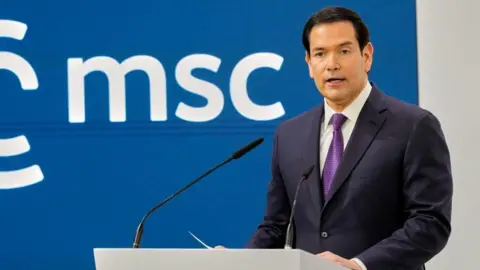
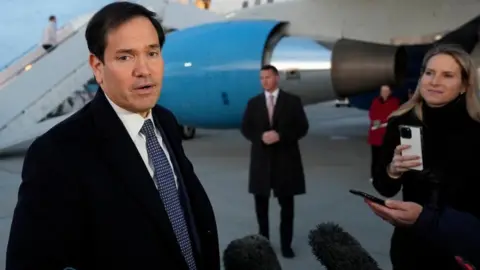
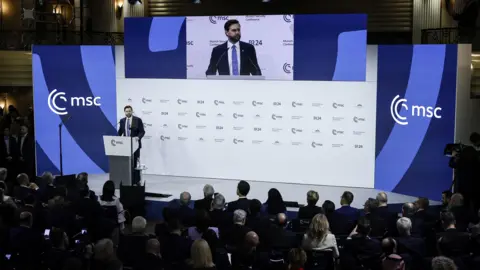
As potential candidates like Vice-President JD Vance and Secretary Marco Rubio emerge, each vying for a stake in the MAGA identity, this internal conflict could either fracture or redefine the movement in the years leading up to the next election.
Moreover, recent surveys suggest a substantial divide among Republicans: 'core Republicans' and 'new entrant Republicans' show contrasting views and levels of support for potential successors. Future Republican leaders will need to navigate these divides carefully to maintain Trump's coalition effectively.
Despite the complexities these changes bring, analysts argue that Trump’s influence on American politics will linger, even as his party grapples with evolving voter priorities and a changing political landscape.