PROVIDENCE, R.I. — Just before Thanksgiving, Claudio Neves Valente checked into a Boston hotel, making repeated visits to Brown University, where he had pursued physics two decades earlier. The 48-year-old Portuguese national was seen roaming the campus in a rental car, raising suspicions among staff and students alike.
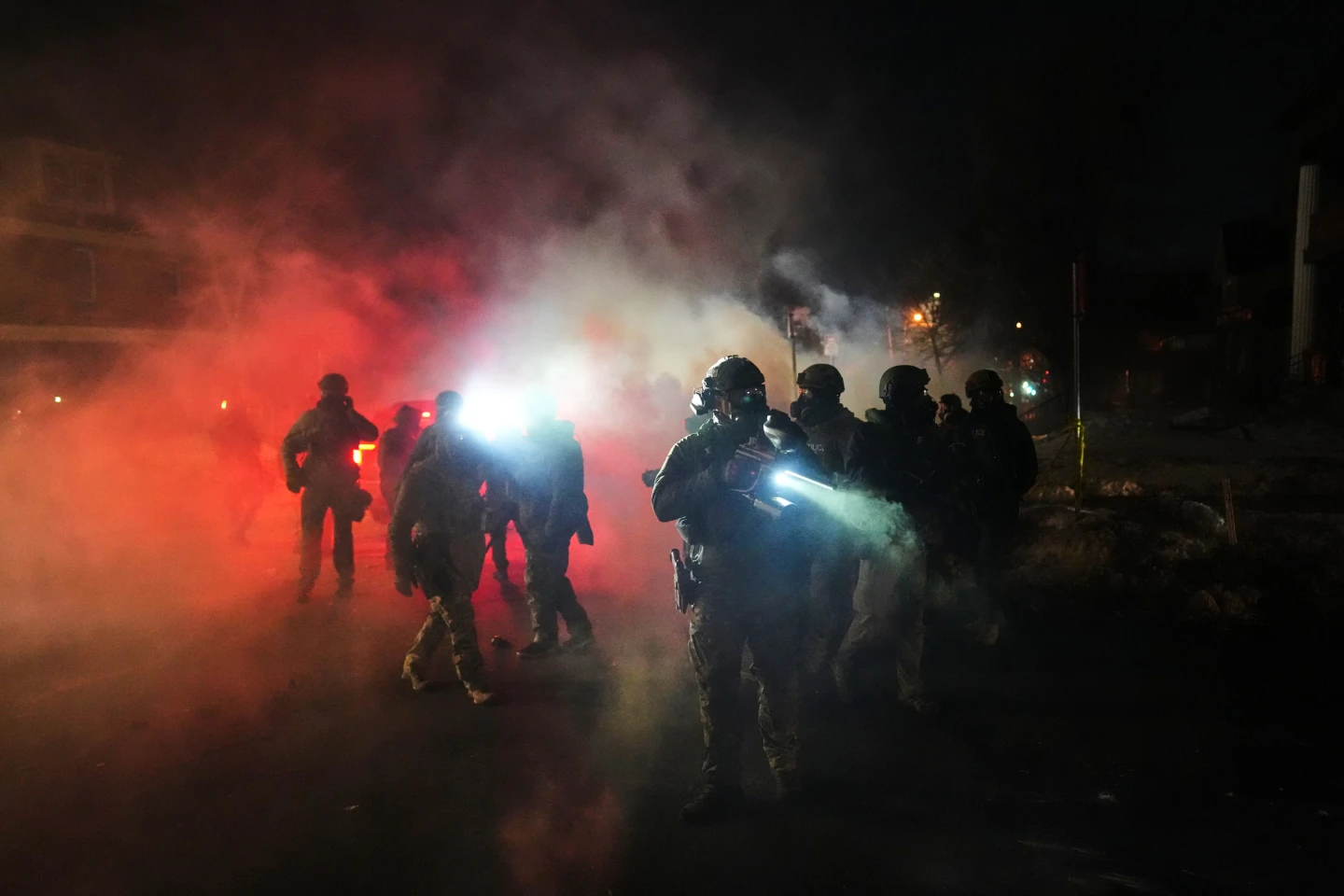
On December 13, Valente returned to Brown with a 9 mm handgun, entering a lecture hall during finals week. He opened fire, leading to the tragic deaths of two students and injuring nine others before fleeing the scene in chaos. Witnesses described the attack as terrifying, with little warning or time to react.
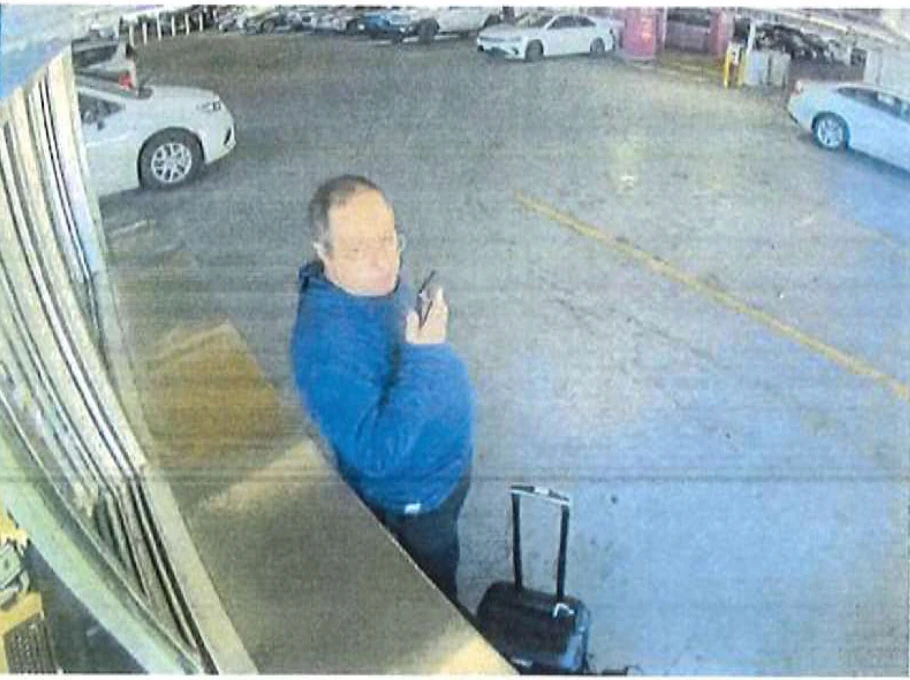
Amidst frantic search efforts, police released surveillance footage to the public, hoping someone could identify the masked gunman. Authorities acknowledged the difficulties they faced with limited evidence from the crime scene.
Investigators are still piecing together Valente's timeline, as he had been seen multiple times near campus leading up to the shooting. Reports indicate he had been staying in a Boston hotel prior to the incident and was spotted at the university on several occasions, even prior to the attack.
In a related incident, two days after the shooting, Valente fatally shot MIT professor Nuno F.G. Loureiro in his home in Brookline. Loureiro, a prominent physicist, shared educational roots with Valente, raising questions about the motive behind the attacks. It wasn't until days later that investigators linked both violent crimes, initially believing they were separate incidents.
As the investigation continued, several witnesses, including students who experienced the horror firsthand, provided fragmented accounts, yet none could identify Valente by name prior to the shooting, complicating the police's efforts.
The investigation's breakthrough arose from a tip that identified Valente's suspicious behavior, prompting authorities to utilize a network of surveillance cameras across Providence. Valente’s identity was further obscured as he covered his rental car's license plate with a Maine plate while fleeing into New Hampshire, where he was discovered deceased shortly after the professor's murder.
As the community mourns the loss and injuries associated with this tragic series of events, questions linger regarding how such violence could erupt from an individual with a once-promising academic trajectory.
On December 13, Valente returned to Brown with a 9 mm handgun, entering a lecture hall during finals week. He opened fire, leading to the tragic deaths of two students and injuring nine others before fleeing the scene in chaos. Witnesses described the attack as terrifying, with little warning or time to react.
Amidst frantic search efforts, police released surveillance footage to the public, hoping someone could identify the masked gunman. Authorities acknowledged the difficulties they faced with limited evidence from the crime scene.
Investigators are still piecing together Valente's timeline, as he had been seen multiple times near campus leading up to the shooting. Reports indicate he had been staying in a Boston hotel prior to the incident and was spotted at the university on several occasions, even prior to the attack.
In a related incident, two days after the shooting, Valente fatally shot MIT professor Nuno F.G. Loureiro in his home in Brookline. Loureiro, a prominent physicist, shared educational roots with Valente, raising questions about the motive behind the attacks. It wasn't until days later that investigators linked both violent crimes, initially believing they were separate incidents.
As the investigation continued, several witnesses, including students who experienced the horror firsthand, provided fragmented accounts, yet none could identify Valente by name prior to the shooting, complicating the police's efforts.
The investigation's breakthrough arose from a tip that identified Valente's suspicious behavior, prompting authorities to utilize a network of surveillance cameras across Providence. Valente’s identity was further obscured as he covered his rental car's license plate with a Maine plate while fleeing into New Hampshire, where he was discovered deceased shortly after the professor's murder.
As the community mourns the loss and injuries associated with this tragic series of events, questions linger regarding how such violence could erupt from an individual with a once-promising academic trajectory.