In brief
Lindsay Clancy appeared in court for the first time since a mistrial was declared earlier in September. Her lawyer asks the judge to dismiss the case, citing severe postpartum psychosis at the time of the killings. Prosecutors counter that the state has met its burden and the killings were intentional. A hearing on 2 November will decide whether a retrial will proceed.
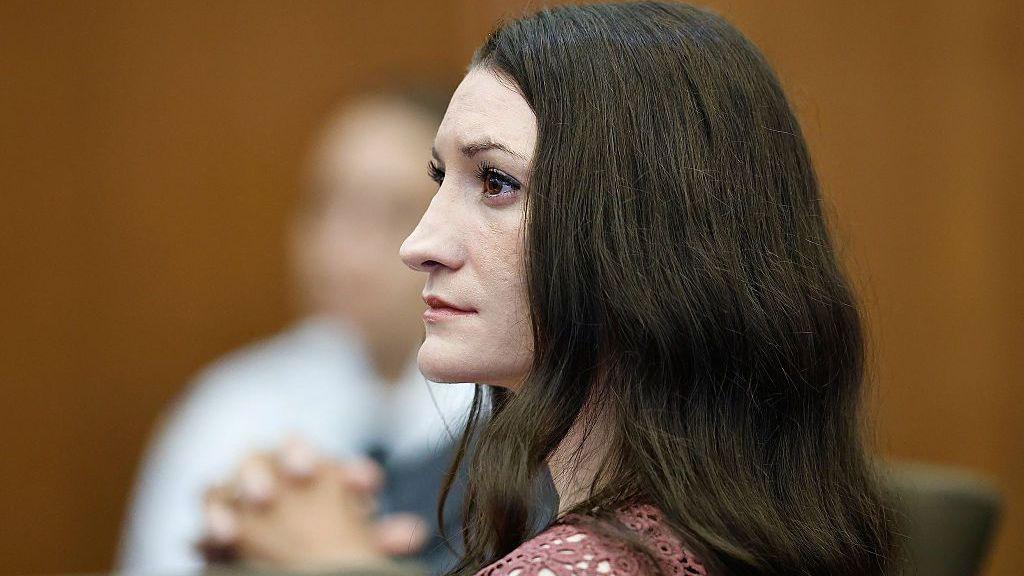
On Tuesday, Lindsay Clancy walked into the courtroom for a hearing after a jury deadlock led to a mistrial in September. The 36‑year‑old does not deny killing her three children in 2023, but her defence team has shifted its strategy, asking Judge William Sullivan to dismiss the case on the grounds that she was suffering from severe postpartum psychosis at the time.
Instead of the earlier focus on mental‑health defenses that urged a not‑guilty verdict, the lawyers now claim that the state has not presented enough evidence to prove that Clancy deliberately took the lives of her five‑year‑old daughter, her three‑year‑old son and her eight‑month‑old son. “This entire case is based on speculation,” lawyer Kevin Reddington told the court.
Prosecutors have rebuffed the motion, calling the defence’s arguments laughable and insisting that the Commonwealth has shown the children’s deaths were intentional. “The Commonwealth met its burden,” prosecutor Shanan Buckingham said, citing evidence indicating Clancy was in a healthy mental state during the incidents.
Judge Sullivan, who pushed back the parties when they refused to agree on a potential retrial date, urged them to move the process forward. He set a November 2 hearing to decide whether the case will be dismissed or whether a new trial will be scheduled, with Reddington stating that a retrial would not occur until at least June.
District Attorney Timothy Cruz later confirmed that the decision to retry Clancy has not yet been made, noting that the office will continue its due diligence. The case remains controversial as it raises questions about mental‑health defenses and the handling of heinous family‑crime trials in Massachusetts.