
In brief
Amid trade negotiations that failed to produce a new North American agreement, JD Vance’s remarks about the Canadian prime minister prompted a swift retaliatory tariff from Canada. The move highlights the fragile nature of U.S. influence in the region and signals a potential shift in Canadian foreign strategy. With the U.S. facing domestic political pressure and an upcoming mid‑term election, the trade standoff offers a rare insight into the limits of executive power in international trade. The decision to impose a 50% tariff on Canadian cars and auto parts could force a re‑evaluation of bilateral ties and set a precedent for other trading partners navigating a Trump administration that blends economic aggression with diplomatic rhetoric.
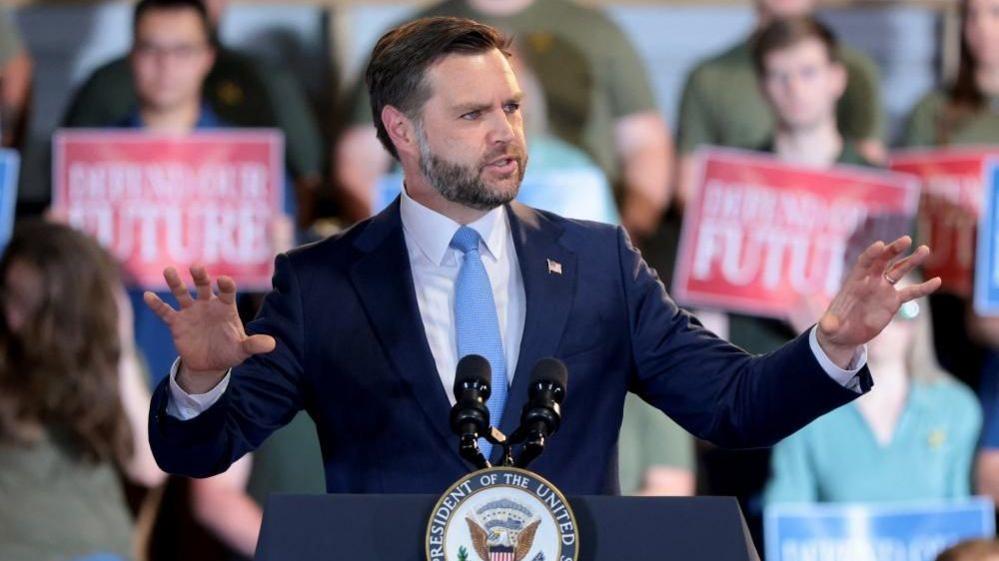
Vice‑President JD Vance’s remarks about Prime Minister Mark Carney may have helped cause the collapse of talks that ended the North American Free Trade Agreement and ushered in the USMCA.
In a leaked audio, Vance said Carney “puffs his chest out and says: I’m going to out‑tough Donald Trump,” laughing that the tactic was clever, but the Canadian diplomatic mission reacted with harsh anger, spurring Canada to enact a counter‑tariff that will hit the United States early next year.
This economic friction exposes the hard limits of U.S. leverage. While the Trump administration has repeatedly framed economic security as national security, Canada is asserting its own capacity to inflict economic pain, hinting at a possible long‑term shift away from traditional alliances.
Canada’s move—including a 50% tariff on Canadian‑made cars and parts that will take effect in 2027—serves as both a statement and a test of how much pressure the United States can endure before it must negotiate or back down.
As the 2026 mid‑term election approaches, Washington could see its authority curbed or bolstered, but the Canadian stance remains a clear sign that the U.S. will encounter substantial resistance if it continues to push its policy ambitions on its southern neighbour without careful diplomacy.


