Blanche faces the Senate on Epstein files, Trump ties and a new fund
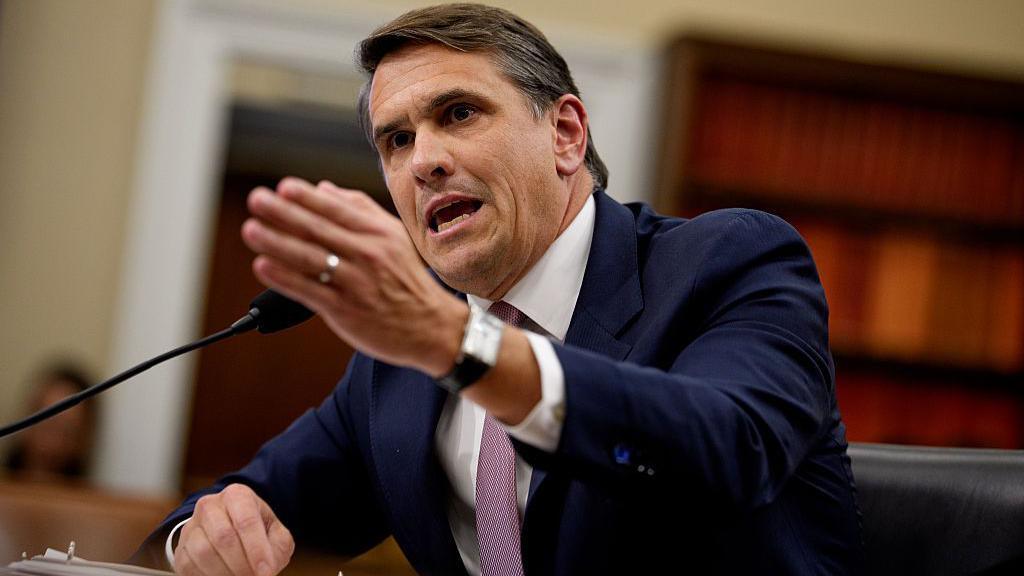
Acting U.S. Attorney General Todd Blanche spent nearly three hours before a joint Senate committee on Thursday, addressing a barrage of questions from both parties about his role in the administration, the Justice Department’s handling of the Epstein files and a recently invalidated anti‑weaponisation fund involving the former president.
What was the real‑time on the hearing?
Blanche first came under scrutiny for his personal relationship with Donald Trump, who reportedly has threats against critics. When asked if he was “a friend” of Trump, Blanche replied that he was the former’s lawyer and was now the deputy attorney general.
Republican senators pressed Blanche about a settlement that would have created a $1.7 billion fund, described as an “anti‑weaponisation fund” for people who felt targeted by the government. When Senator Mike Lee asked if the fund would continue, Blanche assured him it would not.
Epstein files redactions
The Justice Department was mandated to release millions of files related to the Epstein investigation, but slow release and extensive redactions drew criticism. During the hearing, Blanche said “approximately 1 % of the redactions had to be fixed” and that dozens of lawyers were called on to correct mistakes. Senator Richard Blumenthal asked if Blanche would apologise to survivors; Blanche replied, “I will absolutely say that any mistake that we made should not have been made. I very much apologise.”
Trump’s eligibility for a third term
When asked whether Trump could run again in 2028, Blanche answered that he does not believe Trump is eligible under constitutional law. The comment was received with mixed enthusiasm from the committee.
Can Blanche secure the nomination?
The confirmation still hinges on a full Senate vote, and several Republican senators, including John Cornyn and Thom Tillis, have not committed to voting for Blanche. Republicans are wary of the ongoing controversy over the Epstein files and the anti‑weaponisation fund, while Democrats hope the hearings will persuade them to give Blanche a bipartisan endorsement before the committee can advance his nomination.
Blanche’s testimony demonstrates the complex, multi‑faceted examination of his past work, the Institute’s record of justice, and ongoing political maneuvering that shapes the administration’s future leadership.