In brief
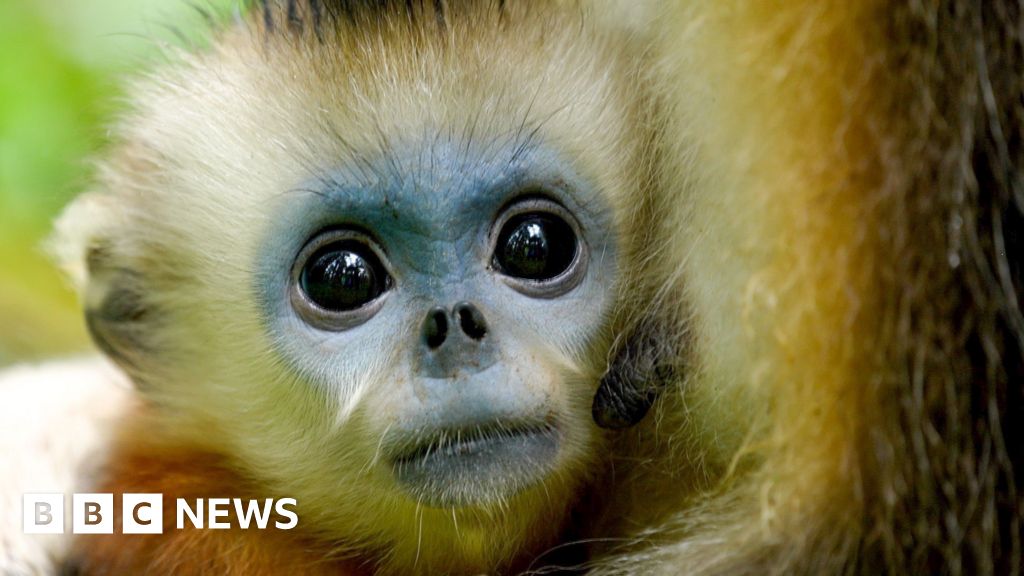
The golden snub-nosed monkey, once hunted nearly to extinction, sees its fortunes reversing due to intensive conservation efforts and community involvement, as reported by BBC News. Professor Yang Jingyuan and his team are employing innovative methods to foster a safer habitat, leading to an increase in the monkey numbers from 500 to approximately 1,600.
Until the 1980s, people roamed the mountains of Shennongjia in central China hunting monkeys for their meat and fur. Poor farmers cleared vast areas of trees, resulting in the local population of golden snub-nosed monkeys dropping below 500 in the wild. This was the dire situation when new graduate Yang Jingyuan arrived in 1991. The monkeys' home was being destroyed by logging so their numbers were going down fast, he shared. Now the Director of the Shennongjia National Park Scientific Research Institute, Professor Yang knows this species better than anyone. Thanks to protection efforts, the monkey population is improving. Professor Yang has dedicated his career to understanding and protecting this endangered sub-species of snub-nosed monkeys, found only in the mountains of Hubei Province. This unique assembly of monkey groups presents a complex social structure with enjoyable insights into their interactions. Through incremental steps of building trust with the monkeys, the research team cultivated a relationship that now allows direct observation. With efforts resulting in a surge from fewer than 500 monkeys to around 1,600 today, there is hope that populations will soar beyond 2,000 within the next decade. Yet, funders and researchers must cope with challenges like the slow reproduction rates of female monkeys—each only birthing once every two years. Still, Professor Yang maintains optimism, asserting the commitment to protect the monkeys and ensure their habitat thrives, thereby paving the way for ongoing recovery and preservation.