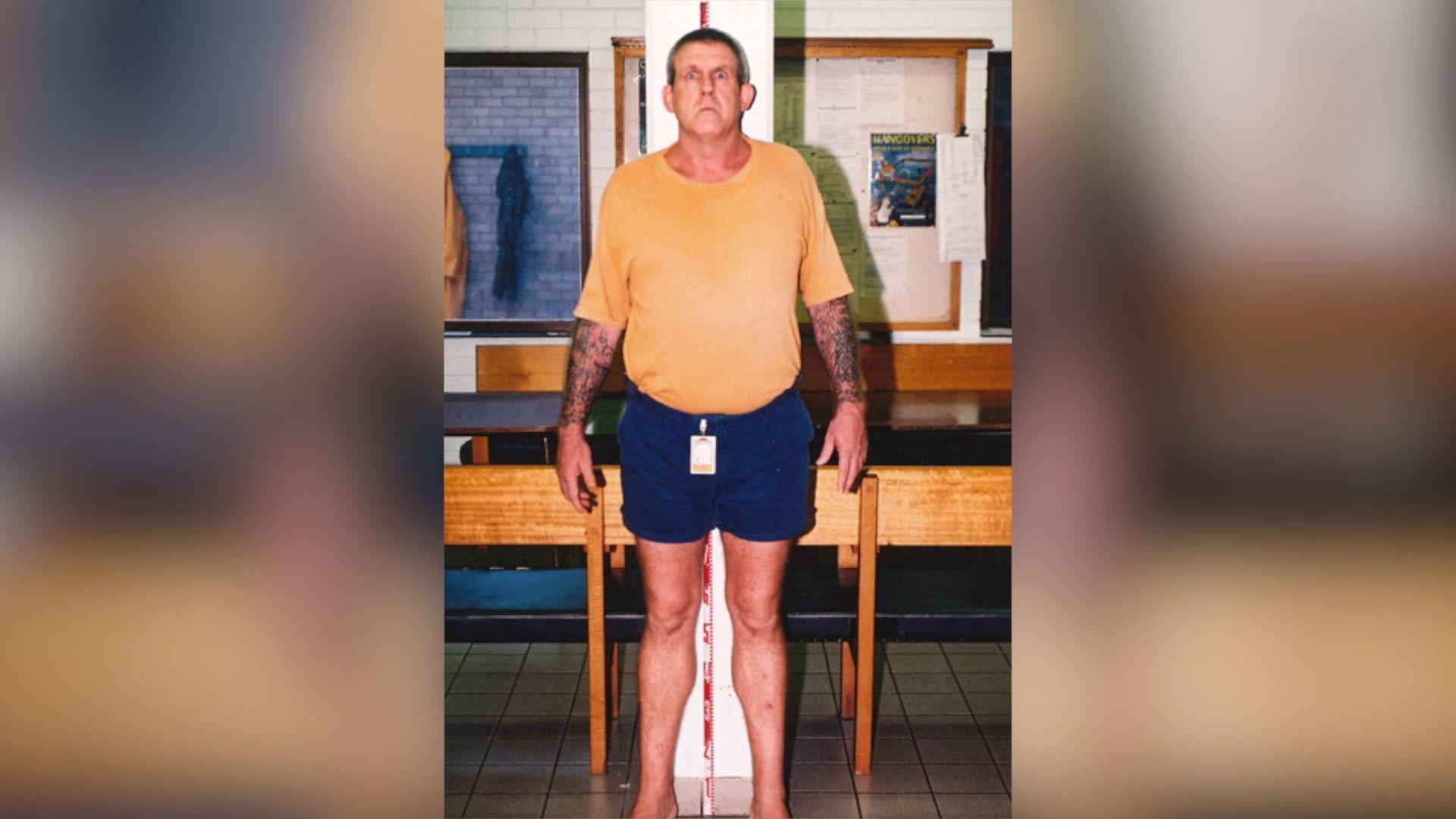
Australian Police Release 25-Year-Old Undiscovered Photos from Peter Falconio Murder Investigation
Police in Australia have opened a new chapter in the investigation of the murder of British backpacker Peter Falconio by unveiling previously unseen photographs taken during the original inquiry. The victim, hailing from Huddersfield, was fatally shot on a remote stretch of highway near Barrow Creek, north of Alice Springs, on 14 July 2001. His body has never been found and the killer, Bradley Murdoch, died of throat cancer in jail last year without revealing the burial site.
New Images and What They Show
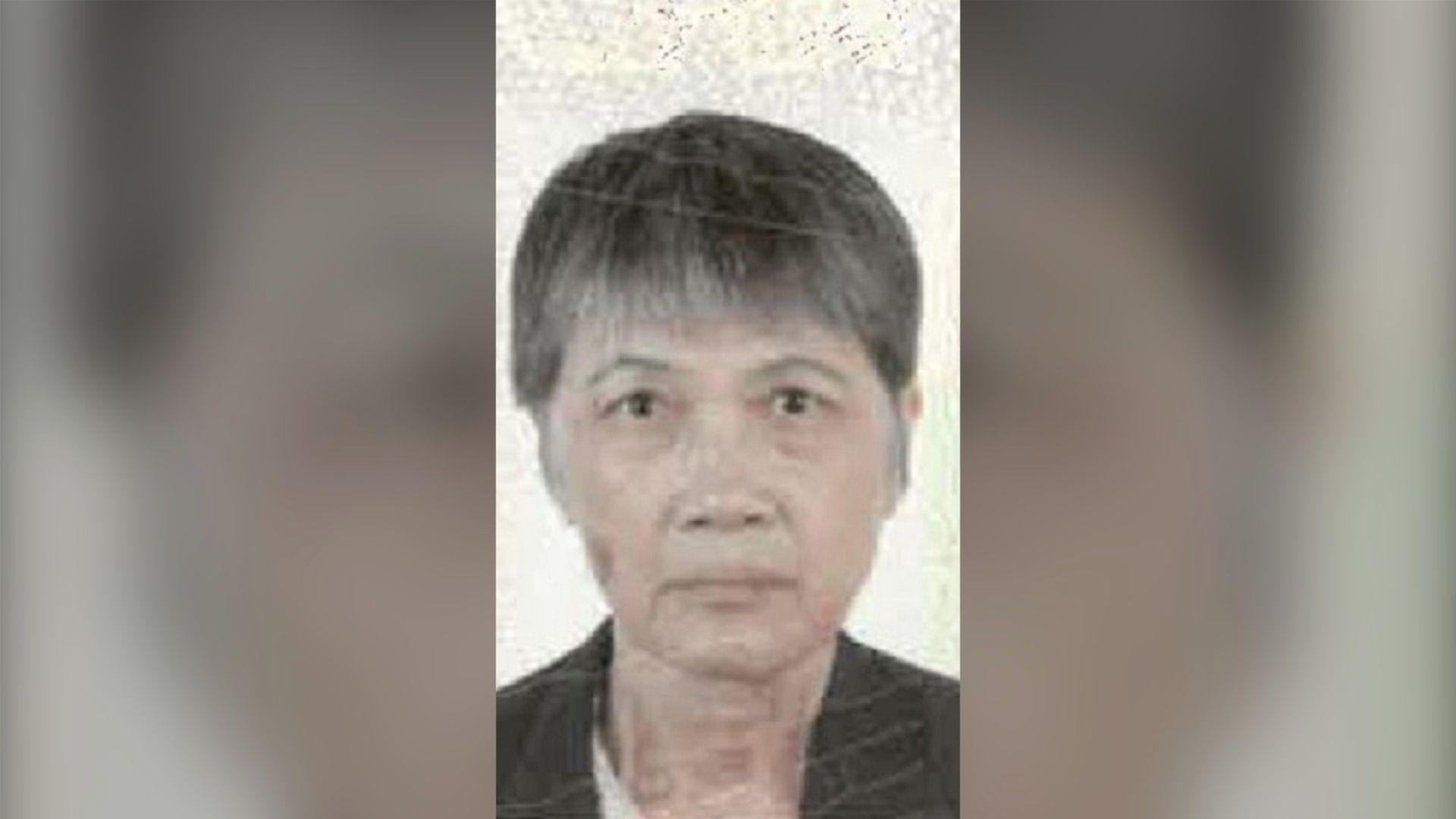
The released photos include a full‑length image of Murdoch staring directly at a camera during the police investigation, alongside photographs of Joanne Lees hours after she escaped the attack. The pictures capture Lees’ injuries, such as bruises and cable‑tie scars, and depict the crime scene and the abandoned orange VW Kombi van that the couple had travelled in. Additional evidence shows the stands where the murder occurred and details of the vehicle’s proximity to the highway.
Police Statement and Continued Search
Commissioner Martin Dole remarked that 25 years is a milestone that may spark fresh memories or tip‑offs. He stressed that the case cannot be considered closed until Falconio’s remains are unearthed, guaranteeing his family the closure they deserve. NT Police remain committed to exploring all avenues, offering a reward of up to A$500,000 for any information that leads to the discovery of the body.
Historical Context and Ongoing Impact
The case, which shocked the outback community, has lingered in collective memory for nearly a quarter‑century. In December 2005, after a trial, Murdoch was found guilty of killing Falconio and assaulting Lees, notwithstanding his repeated claims of innocence. He is remembered as a chilling figure whose silence continues to haunt the families involved.
With these unseen images now public, Australian authorities hope that the conversation and investigation may take a fresh turn, potentially resolving one of the region’s longest‑standing mysteries.