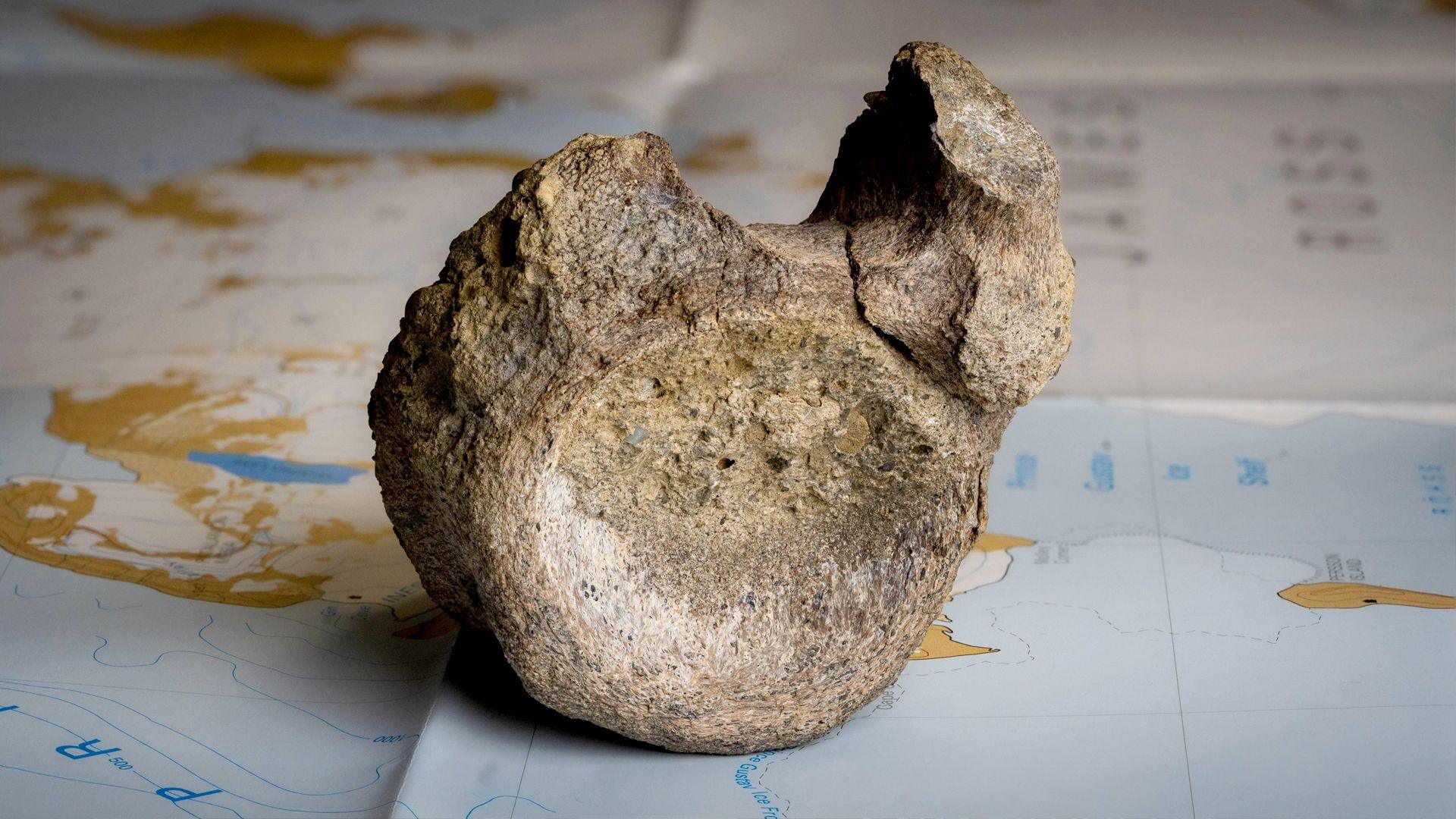
An unassuming fossil, forgotten in a drawer for four decades, has been confirmed as the first dinosaur bone ever found in Antarctica.
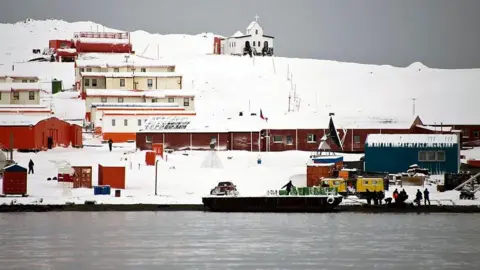
The specimen was initially collected in 1985 on James Ross Island but, unsure of its identity, it was stored in the British Antarctic Survey’s geology collection in Cambridge.
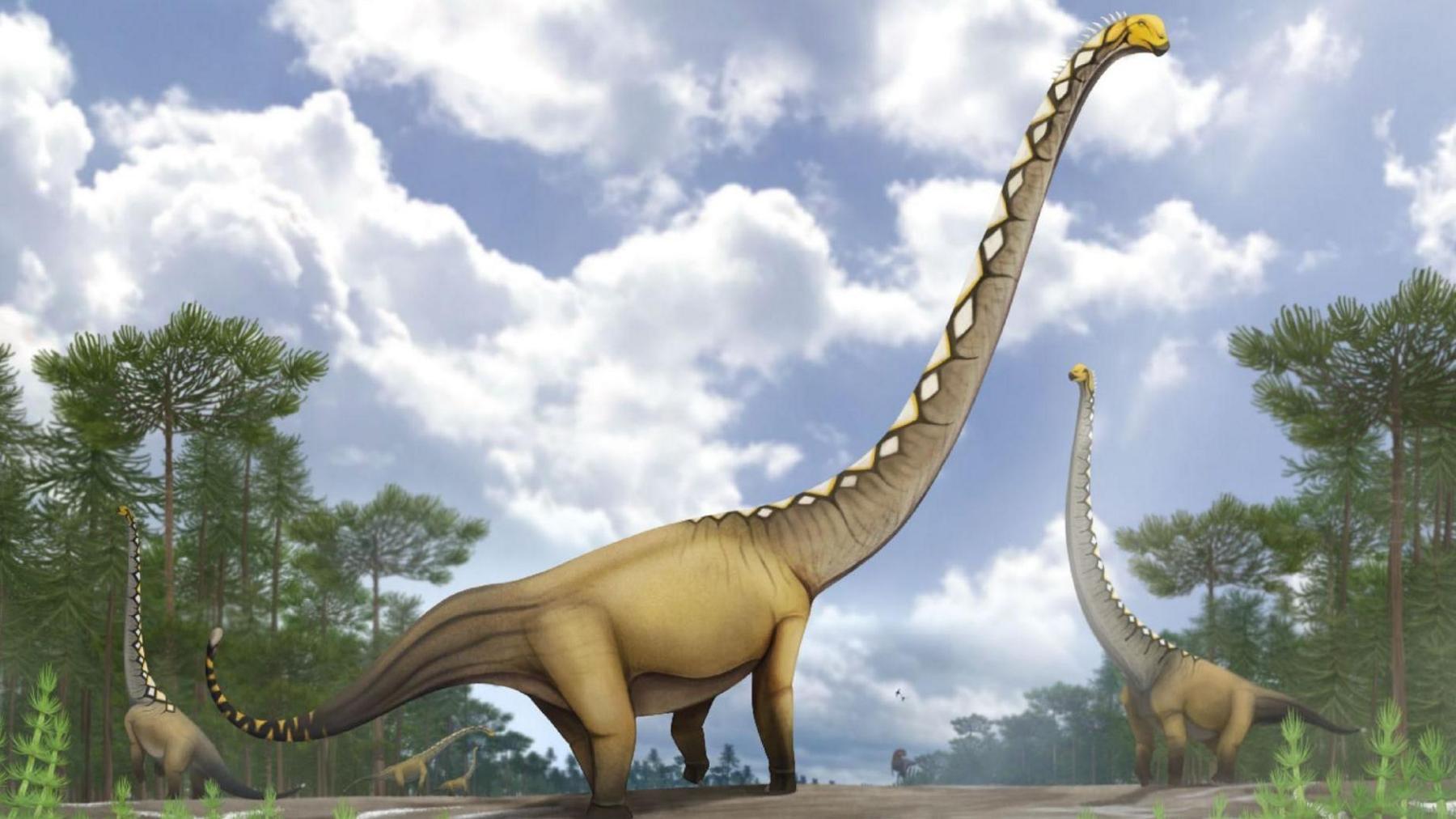
When palaeontologists examined the bone in 2024, they identified it as a tail vertebra from a Titanosaur – a group that includes the giant dinosaurs that roamed Earth during the Late Cretaceous.
Scientists estimate that the Antarctic Titanosaur was around 7 m (23 ft) long, suggesting it may have been a juvenile or smaller adult compared to its larger relatives.
This find gives new insight into the ancient ecosystems of Antarctica, which was once covered by dense forests and supported diverse life forms.
Brian Evans, a collections manager at BAS, noted that the fossil was discovered by geologist Dr Mike Thomson, who recorded a sketch and a note “vertebra of large reptile” in a field notebook dated 9 December 1985.
Following Evans’ identification, the specimen was consulted with Prof Paul Barrett from the Natural History Museum, who confirmed its dinosaur identity by noting the distinctive ball‑and‑socket joint pattern characteristic of Titanosaurs.
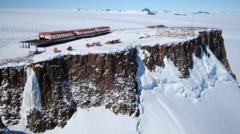
The discovery underscores the hidden potential of Antarctic rock strata and the challenges of fieldwork in this remote region.
Later research published in Acta Palaeontologica Polonica documents the find in detail.