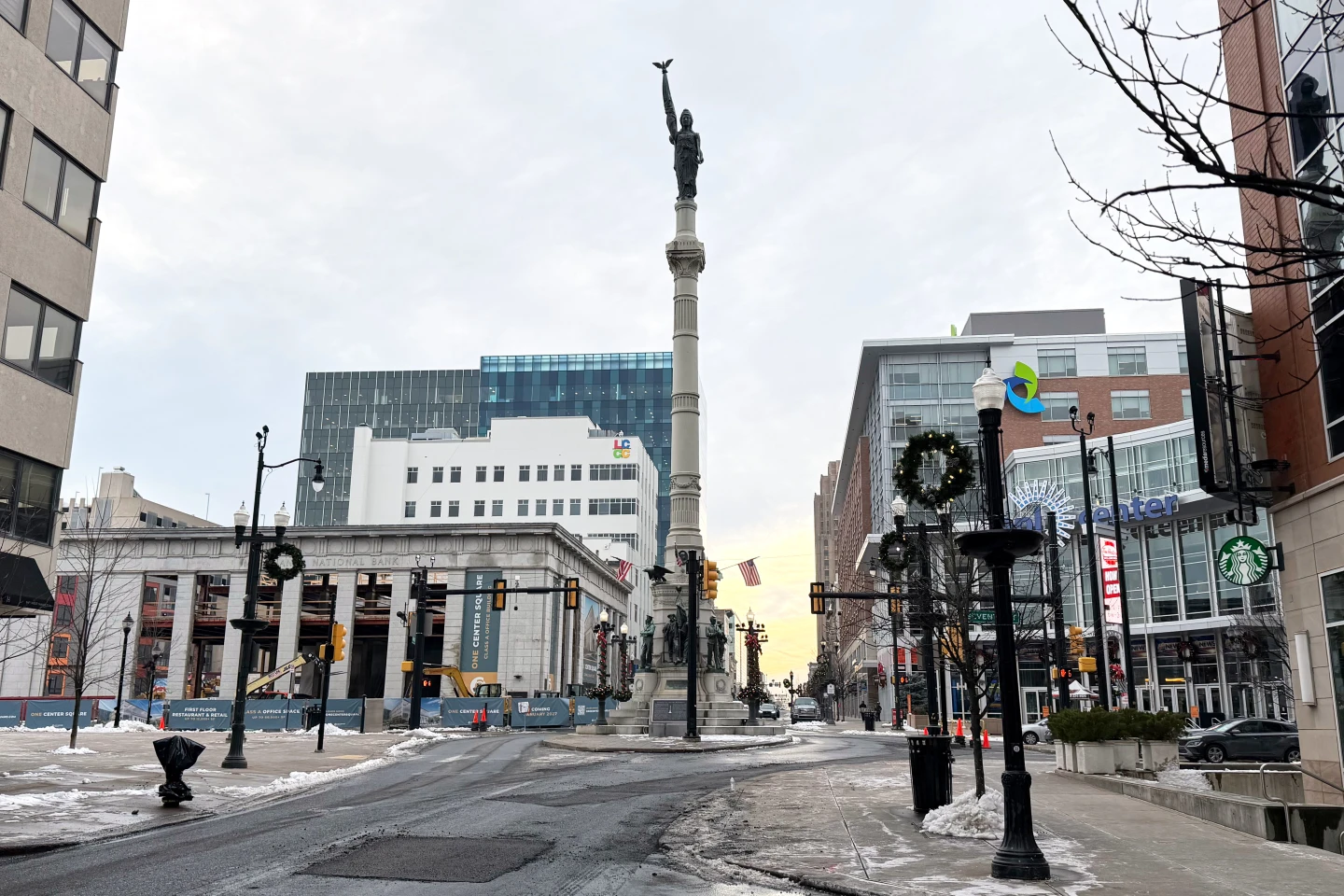
ALLENTOWN, Pa. (RTW) — As political battlegrounds heat up ahead of midterm elections, residents in Allentown, Pennsylvania, are voicing their frustrations about the rising cost of living. For Idalia Bisbal, a 67-year-old retiree who moved from New York City, the dream of a more affordable life in Allentown has turned sour.
Reflecting on her current economic reality, Bisbal shared her concerns over escalating prices. Everything is too expensive. You can’t afford food because you can’t afford rent, she lamented over coffee at the Hamilton Family Restaurant. Her sentiments were echoed by many locals as they described a widespread affordability crisis in their community.
Vice President JD Vance recently campaigned in a nearby suburb, acknowledging the economic struggles people face. Despite attempts to pin the blame on the Biden administration, residents like Bisbal remain unconvinced, critiquing the disconnect between political narratives and their daily struggles.
Political analysts show that rising economic worries are a pressing vulnerability as both parties eye control of the U.S. House amid key congressional districts fueling their campaigns. In light of this landscape, Allentown’s residents are keenly aware of the political maneuvers but are seeking resolution rather than rhetoric.
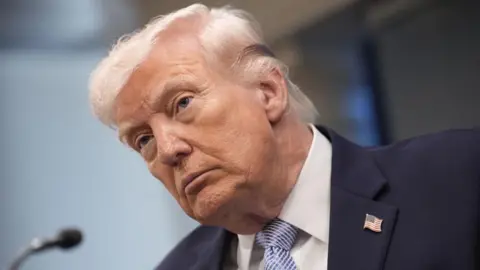
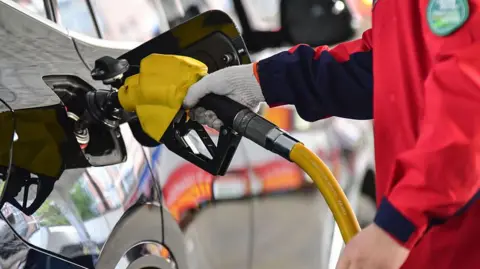
Amidst the hustle of political visits, local leaders and residents alike unified around one sentiment: prices are soaring. While some attribute this to fluctuating gas prices, others point to the spikes in groceries, health care, and housing costs. Few share Trump’s optimistic assessment of the economy; instead, they assert that economic management has faltered.
For many, the accountability for rising costs appears diffuse, steeped in the complexities of national politics. Pat Gallagher, a former Bethlehem Steel worker, expressed frustration not just with local and national prices, but with the political climate that fuels discontent. “I get so frustrated with hearing about the politics,” she remarked.
Allentown, with around 125,000 residents, finds itself grappling with the tension between the hopes for national recognition and the stark realities on the ground. The narrative of economic difficulty finds its roots as the city digs into its collective past, where factory closures marked an era of disenchantment.
As next year’s elections loom, the political attention on Allentown promises to usher forth heated discussions, but residents are clear; they desire a tangible change to their economic struggles rather than promises likely to fade with the election results.
}