
In brief
The trial of two Russian nationals, Igor Ratchin and Lev Lakshtanov, begins in Angola, where they face serious charges including terrorism and espionage for allegedly attempting to destabilize the government and interfere in the political landscape. The accusations relate to an operation that purportedly aimed to provoke political change ahead of the country's elections. This case highlights the growing concern over foreign interference and disinformation in Africa.
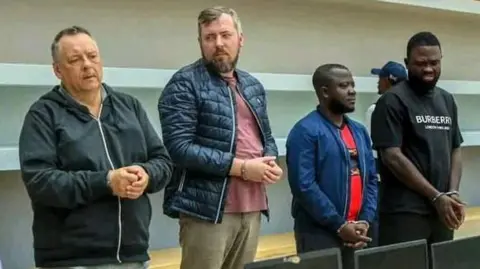
Two Russians are due to go on trial in Angola accused of stirring up anti-government protests, conducting a campaign of disinformation, and attempting to interfere in next year's presidential election.
Arrested last August, political consultant Igor Ratchin and translator Lev Lakshtanov are facing 11 charges, including terrorism, espionage, and influence peddling.
The BBC has obtained a copy of the indictment that includes charges relating to an alleged operation aimed at changing the political course of Angola.
The Russians' lawyers challenge the indictment on the grounds that it lacks concrete and objective facts.
According to the prosecution, the Russians acted on behalf of Africa Politology, a shadowy network of operatives and intelligence officers in Africa that emerged from the now-defunct Wagner Group. Political operatives linked to Wagner have been active across Africa for over a decade.
The Russians' defence team argues that they were not connected to Africa Politology or the Wagner Group and were instead cooperating to create a cultural Russian House in Luanda.
Angola is a significant oil producer and diamond exporter, attracting continued interest from Moscow. However, relations have been strained as Angola has been drifting toward Western influences, particularly since President João Lourenço has not met Vladimir Putin since 2019.
Alongside the Russians, two Angolans will also face trial for their alleged part in the Russian-linked influence operation, raising questions about the authenticity of claims of foreign interference in Angola's political dynamics.
Activists have argued the protests in July that sparked this trial were genuine, rooted in the citizens' frustrations over economic conditions rather than any orchestration by foreign actors.