The election marks the third in as many years, and it witnessed a dramatic outcome for the Socialist Party, led by Pedro Nuno Santos, which secured second place. The Socialists experienced a severe loss in seats and are now closely competitive with the far-right party Chega, founded recently. If ongoing counting of votes from overseas mirrors last year's results, there is a possibility that the Socialists might slip into third, below Chega.
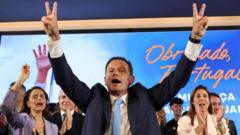
The leader of Chega, André Ventura, declared the election result “historic,” signaling a potential shift away from the traditional two-party political framework in Portugal. Ventura’s campaign centered on pressing issues such as immigration and government corruption, and the party likely drew support amid scandals impacting the previous prime minister. Montenegro, in his victory speech, expressed gratitude towards his supportive "political family" that stood by him amid controversies surrounding his previous business dealings that precipitated the election.
On the other hand, outgoing Socialist leader Santos reiterated his belief that Montenegro is unfit to lead the government, leaving the door open for future challenges regarding the Democratic Alliance's continued governance.
This election result will have considerable implications for Portugal’s political landscape as stakeholders and the electorate navigate the aftermath of evolving party dynamics.
The Democratic Alliance must now find allies to govern, complicated by a fragmented parliament where no single entity holds a decisive majority.
The leader of Chega, André Ventura, declared the election result “historic,” signaling a potential shift away from the traditional two-party political framework in Portugal. Ventura’s campaign centered on pressing issues such as immigration and government corruption, and the party likely drew support amid scandals impacting the previous prime minister. Montenegro, in his victory speech, expressed gratitude towards his supportive "political family" that stood by him amid controversies surrounding his previous business dealings that precipitated the election.
On the other hand, outgoing Socialist leader Santos reiterated his belief that Montenegro is unfit to lead the government, leaving the door open for future challenges regarding the Democratic Alliance's continued governance.
This election result will have considerable implications for Portugal’s political landscape as stakeholders and the electorate navigate the aftermath of evolving party dynamics.
The Democratic Alliance must now find allies to govern, complicated by a fragmented parliament where no single entity holds a decisive majority.