
In brief
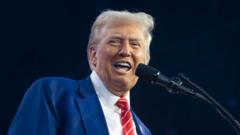
In a recent speech at a conservative conference, Donald Trump called for a reassessment of the U.S. ownership and control of the Panama Canal while reiterating his ambition to control Greenland, emphasizing national security implications. His remarks, seen as provocative, come amidst growing tensions in global trade and geopolitics.
Trump’s comments about reclaiming the Panama Canal reflect frustration over perceived unfair shipping fees imposed on U.S. vessels. The U.S. relinquished control of the canal in the 1970s, but Trump threatens to demand its return, particularly in light of China's economic engagement in Panama. Experts suggest these statements might stem from a deeper concern regarding U.S. interests in the region, especially if military conflicts arise with China.Simultaneously, Trump's renewed interest in Greenland, deemed not for sale by its Prime Minister, centers around the territory's strategic advantages in natural resources and military positioning. Greenland has become increasingly important as global powers, particularly Russia, seek to expand their influence in the Arctic.Despite the controversial nature of his statements, Trump's "America First" vision suggests a push towards enhancing U.S. sovereignty and control over vital trade routes and territories. In response, Denmark expressed a readiness to collaborate with Trump's administration, even as Panama's leadership firmly defended their sovereignty over the canal.As the political landscape evolves, both Greenland and the Panama Canal remain firmly out of reach, yet Trump's rhetoric may indicate the tone of U.S. foreign policy in the years to come.

