
In brief
As emotions run high, citizens reflect on their traumatic past and the potential threats to hard-won freedoms.
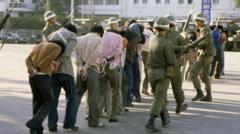
In a startling turn of events, South Korean President Yoon Suk Yeol declared martial law earlier this week, the first time since the transition to democracy for the country in 1988. This decision has sent shockwaves through a society still grappling with the painful memories of its authoritarian past. Koh Jae-hak, an 87-year-old witness to the traumatic suppression during past protests, recounts the horror he experienced in April 1960 when government troops opened fire on demonstrators, leading to widespread unrest and the eventual imposition of martial law.South Korea’s history of political strife, characterized by 16 instances of martial law in its first four decades, has instilled a deep respect and yearning for democratic rights among its citizens. When Yoon's announcement was made, the reality of a potential regression made many anxious. Lawmakers quickly convened, some even climbing over fences to reverse the decision. Citizens gathered to resist military attempts to forcibly remove them from the national assembly.Initially, Yoon justified the declaration as a means to combat “pro-North anti-state” activities, a narrative many began to scrutinize. Public skepticism arose as he failed to provide concrete evidence or clarity on the alleged threats, which echoed past justifications for suppressing dissent. History has shown that martial law often results in curtailed freedoms, heavy regulation of the press, and heavy-handed enforcement by military forces.In chilling memories of the 1980 Gwangju massacre—where military action against pro-democracy demonstrators led to hundreds of deaths—activists like Kelly Kim highlight the society's collective trauma regarding authoritarianism. Her perspective resonates with many younger citizens who, despite not directly living under martial law, have been influenced by their parents' stories of oppression. Cultural memory persists robustly today, as films and series memorializing the struggles for democracy serve as reminders of the past and cautionary tales for the future. For those who remember, the recent declaration sparked fears of their nation sliding back into a dark chapter of its history. A 15-year-old expressed initial excitement at the thought of school closures, only to be overcome with dread as he processed the potential implications for his family life. Yet, voices within the nation highlight divergent memories and interpretations of the past. Many older citizens, having endured the tumult of ideological battles, reflect on martial law as a necessary evil to maintain order during chaotic times. Despite these differing viewpoints, the overarching consensus remains—President Yoon’s recent declaration has been met with resistance from all corners. With protests erupting calling for his resignation, many South Koreans underscore the value of democracy and the determination to protect the rights they fought hard to secure. As the country stands at the crossroads of history, the question lingers: Are they prepared to confront the specters of the past that threaten to resurface?

