In brief
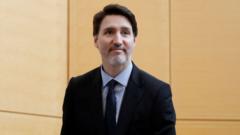
Amid declining popularity and internal dissent, Justin Trudeau may soon step down, ending his nine-year tenure as the Prime Minister of Canada. Reports suggest that Trudeau could reveal his decision before a party caucus meeting, driven by pressure from within his party and decreasing approval ratings.
In a potential shakeup for the Canadian political landscape, Prime Minister Justin Trudeau is allegedly set to announce his resignation in the coming days. According to multiple media outlets, Trudeau is contemplating stepping down as the leader of the Liberal Party, which would conclude his nearly nine-year term as prime minister. This news follows the recent resignation of his finance minister, who cited policy disagreements and concerns over handling Donald Trump's potential tariffs on Canadian imports as reasons for their departure.Trudeau's approval ratings have been declining, with polls indicating that his party could face defeat in the upcoming general election. The Globe and Mail has reported that Trudeau might prefer to announce his resignation before meeting with Liberal Party MPs to avoid the impression that he was ousted by his colleagues. Nevertheless, the timeline for his leave remains uncertain, as sources indicate he has not reached a definitive conclusion regarding his future.The possibility of a leadership change poses implications for the Liberal Party, especially with an election mandated before October. Such a transition could trigger calls for a snap election, compelling whoever succeeds Trudeau to navigate both electoral challenges and potential trade conflicts with the United States.Trudeau first rose to prominence in 2015, successfully leading the Liberal Party from third place in the polls to a majority government. The youthful leader promised a governance style characterized by an open immigration policy, high taxes on the wealthy, and proactive measures against climate change. However, his leadership has also faced numerous scandals and deteriorating support, particularly as economic concerns such as rising living costs and inflation impact public sentiment.Recent polls paint a grim picture for Trudeau, with two-thirds of voters expressing disapproval of his leadership. Current data shows that only 26% of respondents view him as their preferred choice for prime minister, while Conservative leader Pierre Poilievre significantly outpaces him by 19 points. Recent political history challenges Trudeau further, as only two prime ministers have succeeded in securing four consecutive terms.The future governing landscape may be shaped by the actions of Poilievre, who has captured the Conservative Party's leadership through promises of tax reductions and addressing inflation, building support among those frustrated by previous mandates and governmental handling during the pandemic.Amidst these escalating political pressures, Trudeau’s possible resignation could signal an era of change for Canada, especially as his government's approach to the looming trade threats posed by the incoming U.S. president and internal party dynamics illuminate challenges ahead.