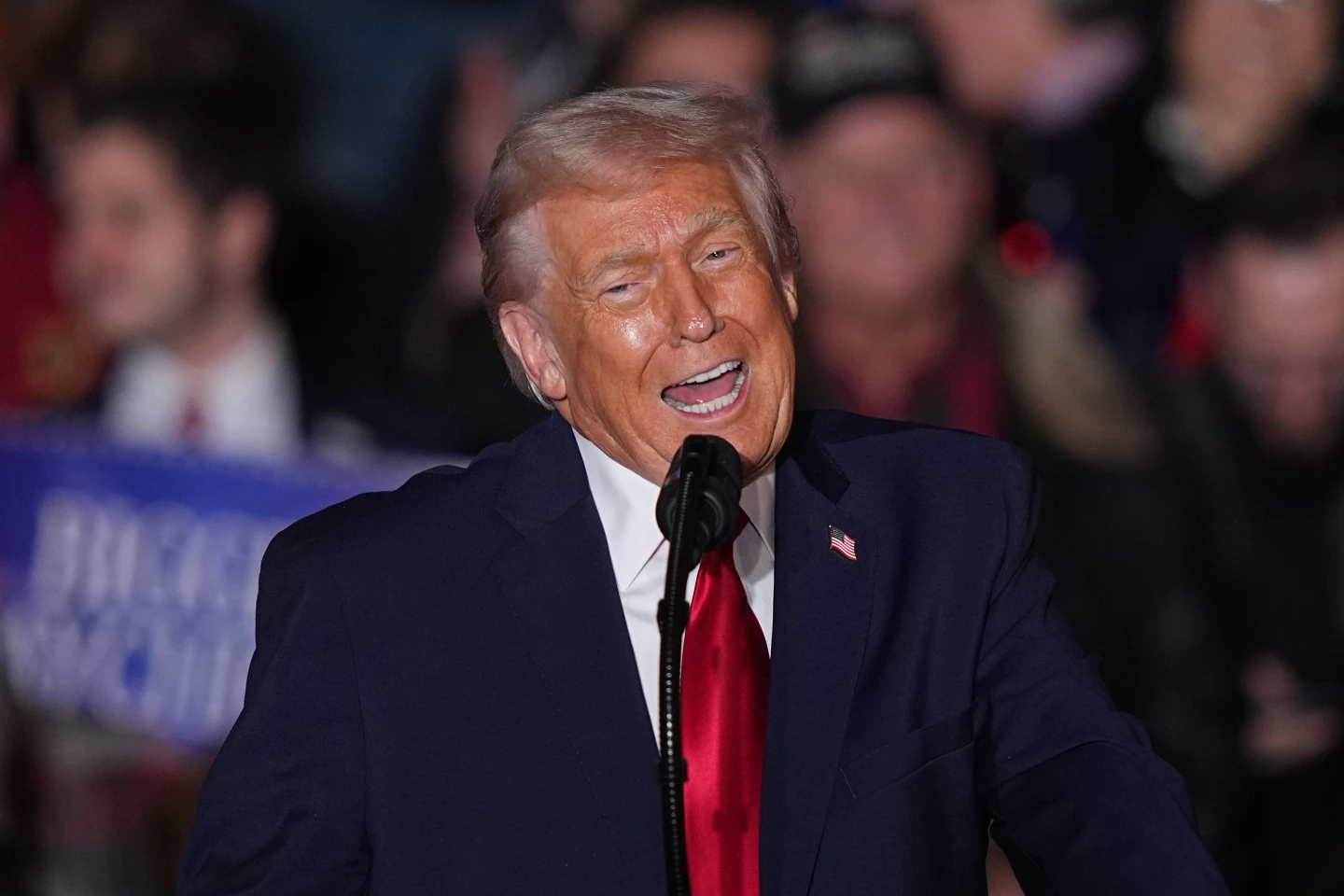
As America stands on the brink of a pivotal election day, the choice before voters seems clearer than ever, yet the stakes have never been higher. The nation finds itself in a showdown between Donald Trump, who warns that losing the election will plunge the country into chaos and communism, and Kamala Harris, who labels her opponent a "fascist" seeking unchecked power.
In battleground states, the atmosphere is charged with anxiety as voters are inundated with fear-laden campaign advertisements. Heather Soucek, a Trump supporter from Wisconsin, voiced concerns that the candidates are manipulating public sentiment to push their agendas. Meanwhile, Tracy Andropolis, an independent voter who leans towards Harris, echoed the sentiment of urgency and importance, emphasizing her fear of Trump's potential refusal to concede.
The election has revealed deep existential fears linked to partisan identity, with voters expressing dread about future outcomes should their favored candidate lose. Many Americans now feel they inhabit two divergent political realities, with Democrats clustered primarily in urban centers while Republicans dominate rural regions, a trend illustrated by a proliferation of political yard signs marking territory.
The looming election confronts these two 'tribes' as they prepare to face the reality of voting outcomes. The candidates themselves have experienced tumultuous journeys to this point. Trump, despite facing criminal indictments and legal challenges, has seen his approval ratings climb as he frames himself as a victim of political persecution. His supporters remain fiercely loyal, regardless of his legal battles.
Conversely, the Democratic camp initially expressed discontent with President Biden’s viability for re-election, leading to Harris’s rise within the party after Biden announced he would not seek a second term. Her campaign, focusing on reproductive rights and a vision for unity, has stirred enthusiasm among her supporters, but she struggles to sway undecided voters.
As Americans brace for the results, there is anticipation of heightened emotions and potential unrest post-election. Many fear that the outcome could deepen existing fissures, given the divergent visions that characterize the current election landscape. A divided electorate will soon have to confront the stark reality that their compatriots perceive America in profoundly different ways. The resulting tension could lead to significant societal challenges, making it essential for the nation to navigate this impending division as votes are cast and counted.