
In brief
In Gaza, newborns are dying from hypothermia as winter temperatures drop to alarming lows. Sila, who lived for just 20 days, symbolizes the plight of families displaced by war, struggling to survive in inadequate shelters. Health professionals warn of a potential rise in infant mortality if conditions do not improve, as families confront the dual threats of war and extreme weather.
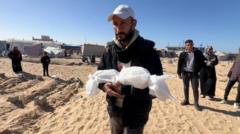
In the makeshift encampment on the southern beach of Gaza, Nariman al-Najmeh mourns the loss of her 20-day-old daughter, Sila, marking a tragic reality faced by many families in the region. "I woke up in the morning and told my husband that the baby hadn't stirred for a while. He uncovered her face and found her blue, biting her tongue, with blood coming out of her mouth," reveals Nariman. Displacement has become a distressing norm for the family, who have endured over 10 relocations since the onset of war. "My husband is a fisherman, and we left without anything but did it for our children," laments Nariman, as they find themselves in a crowded campsite designated for humanitarian shelter by Israeli authorities. These sites, however, are plagued by poor sanitation, flooding, and inadequate infrastructure.Mahmoud Fasih, Sila’s father, describes their night-time struggles against the freezing temperatures that leave them huddling together for warmth. Despite being told to seek refuge in al-Mawasi, the area has faced recurrent bombing by Israeli forces amidst ongoing conflicts with Hamas. The harsh conditions have led to the recent deaths of six newborns from hypothermia within a mere two weeks, coinciding with night-time temperatures dropping to as low as 7°C (45°F)."My thoughts were consumed with how I could secure her milk, nappies," Nariman shares, reflecting on the difficulty of caring for a newborn in such dire surroundings. Sila was born at a field hospital in Khan Younis and was initially healthy. However, she succumbed to the unbearable cold, as did other infants in the area.Medical professionals emphasize that infants, especially those born prematurely, are extremely vulnerable to hypothermia. Dr. Ahmad al-Farra warns of a pending increase in infant deaths if humanitarian conditions remain unchanged. The local health system is in turmoil, with inadequate access to essentials like infant formula due to restrictions on humanitarian aid.In the wake of Sila's death, Yehia al-Batran was also heartbroken after losing his son, Jumaa, under similar conditions. The despair reflects a cycle of suffering among families, indicative of humanitarian failures in providing aid to those in desperate need.UNICEF and other organizations express alarm over the preventable loss of life, calling for urgent attention to the increasing vulnerability of children living through the crisis. As winter progresses, families like Nariman and Mahmoud's face uncertainty, battling both the atrocities of war and the life-threatening cold. "We're all sick, and our chests hurt from the cold and rain," Nariman states, highlighting the acute challenges that the people of Gaza endure daily. With the continued absence of safety and security, the fight against freezing temperatures continues to claim innocent lives.

