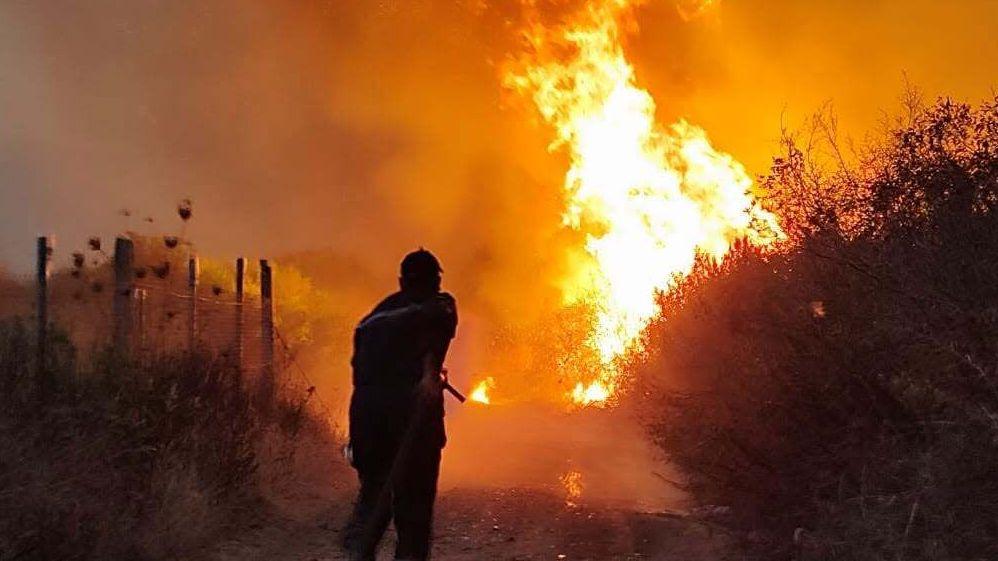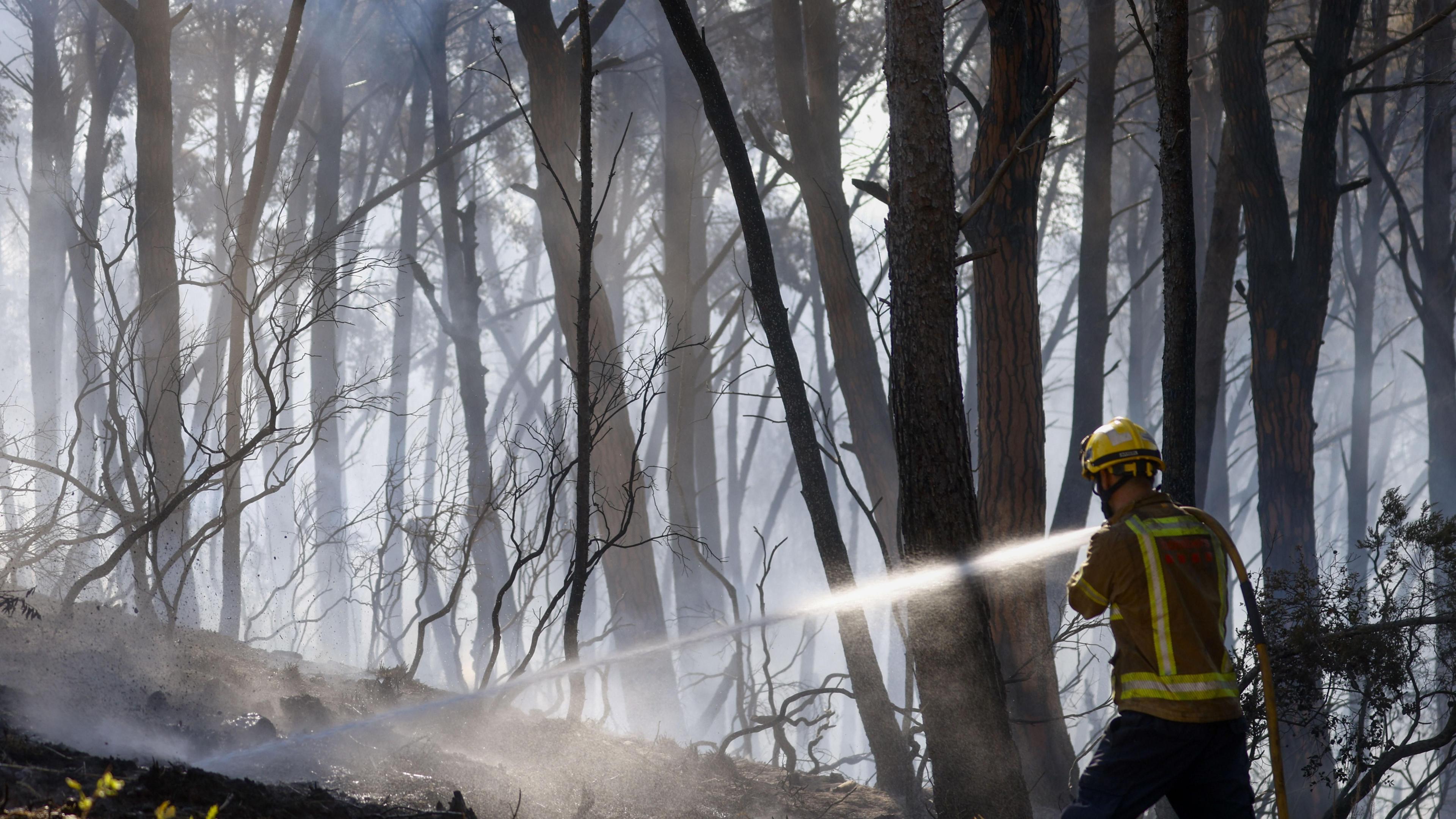
At least 12 people died in a wildfire that broke out in Los Gallardos, a hamlet in Andalusia’s province of Almería, and six others were injured, the regional government announced.
The blaze was reportedly triggered by a downed power line and spread quickly into a nearby wooded area. Authorities have not yet confirmed the exact cause, but witnesses described the fire’s rapid expansion.
The incident is part of a wider heatwave that has pushed temperatures to around 40C (104F) across southern Europe, fueling numerous major fires in Spain, Portugal and France and forcing thousands of residents to evacuate.
Hundreds of firefighters, supported by Spain’s Military Emergency Unit (UME), rushed into the area, though the intense heat and fire spread made the operation challenging.
Prime Minister Pedro Sanchez had announced in May that Spain would deploy its largest-ever summer wildfire response, and the UME confirmed its involvement in Los Gallardos.
Road closures and the evacuation of roughly 1,000 residents occurred, while emergency services treated several individuals for smoke inhalation and burns at the scene.
Climate change has intensified European wildfire risks, with Europe identified as the fastest warming continent. Rising summer temperatures and intensified heatwaves increase pressure on firefighting resources across the region.
Spain last year burned 393,000 hectares—more than six times its 2006‑2024 average—and experts warn that the frequency and severity of fires are likely to rise further in the coming years.