In brief
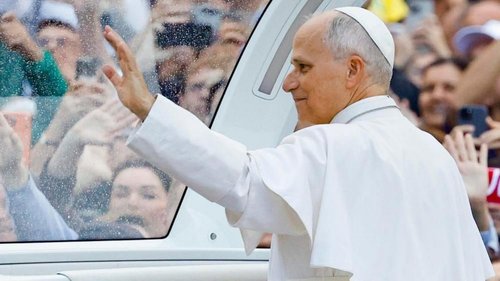
Thousands gathered globally to pay their respects to Pope Francis, who died on April 21, 2025, at the age of 88 after suffering a stroke. Recognized for his commitment to social justice and inclusivity, his passing creates uncertainty for the future leadership of the Roman Catholic Church as cardinals prepare for a conclave to elect his successor.
---As the sun set over Vatican City on April 21, 2025, an air of somber reflection enveloped the faithful after the announcement of Pope Francis's death at age 88. The Vatican revealed that the beloved pontiff succumbed to a stroke, leaving a legacy that championed inclusivity and justice. The world, with thousands flocking to St. Peter’s Square and numerous cathedrals, paid their tributes to a leader renowned for his compassion towards the marginalized.Pope Francis's death came a day after he appeared publicly in a wheelchair to bless the assembly of the faithful during Easter Sunday services, a moment that compounded the shock of his sudden passing. Cardinal Kevin Farrell, who will oversee the Vatican in the interim, shared with reverberating poignancy that “the Bishop of Rome, Francis, returned to the house of the Father.”Throughout his 12-year papacy, Francis utilized his position to amplify the voices of the impoverished and vulnerable, promoting a vision of the Church less rigid and more welcoming. This vision resonated globally, where he was applauded by leaders and laypeople alike for his unwavering commitment to advocacy for migrants and refugees, notably in his last public blessings which underlined his enduring concerns for those on society’s fringes.As mourners gathered in places of worship worldwide, reactions varied from grief to gratitude, reflecting on the depth of his teachings that emphasized dignity and inclusion. “He was a man of peace,” remarked a visitor at St. Patrick’s Cathedral in New York, where many mourned alongside vibrant memories of the Pope’s outreach to the oppressed. Though the process for selecting a new pope is steeped in tradition and formality, discussions regarding potential successors have already begun, emphasizing the implications of Francis's ideologies during this pivotal moment for the Church. With his appointments shaping a more diverse College of Cardinals, the next papal election could either affirm his legacy of reform or revert to historical conservatism. As his body will be visible to the public in the Vatican, a wave of condolences poured in from around the world, including former President Barack Obama, who reflected on the pope’s ability to encourage others to strive for moral betterment and compassion. With multiple world leaders expressing their sorrow and respect for a man whose beliefs branched out to include all walks of life, the future of the papacy stands at a crossroads between preserving Francis's inclusive ideals and traditional doctrines. The world now watches with breathless anticipation as the Catholic Church begins the transition to a new spiritual leader while grappling with the vast void left by Pope Francis's passing. His legacy of seeking social justice, interfaith dialogue, and compassion for over one billion Catholics continues to resound.